
High humidity and mold growth issues in New Braunfels homes are driven by relative humidity (RH) above 60%. Visible mold proliferates at RH exceeding 70% for 24+ hours. Strategize with hygrometers to maintain ideal RH (30-50%), address leaks, improve ventilation, and seal insulation. Proactive measures reduce mold growth; professional cleanup recommended for extensive contamination. Regular air quality testing aids in swift moisture intrusion detection and remediation.
In the humid climate of New Braunfels, high humidity and mold growth issues naturally arise in homes, posing significant health risks and property damage concerns. Accurately interpreting mold inspection lab results is paramount for homeowners, real estate professionals, and tenants to make informed decisions. This authoritative article breaks down complex lab findings, enabling you to understand the implications of mold presence, severity, and potential health hazards. By providing a comprehensive guide, we aim to empower individuals to address high humidity-related challenges effectively, ensuring safer living environments in New Braunfels homes.
- Understanding Mold Growth Patterns in High Humidity Environments
- Interpreting Lab Results: Identifying New Braunfels Home Contaminants
- Addressing Moisture Issues to Prevent Future Mold Outbreaks
Understanding Mold Growth Patterns in High Humidity Environments

In high humidity environments, such as those naturally found in New Braunfels homes, understanding mold growth patterns is crucial for timely intervention and effective prevention. Mold thrives in damp conditions, where it can quickly spread and cause significant structural damage and health issues. Research indicates that areas with persistent high humidity levels above 60% relative humidity (RH) are particularly susceptible to mold growth, as this environment facilitates the rapid proliferation of various mold species. For instance, a study conducted by the Environmental Protection Agency (EPA) found that over 95% of homes in New Braunfels exhibited signs of mold growth when RH surpassed 70% for more than 24 hours.
Identifying specific growth patterns is essential for proper inspection and remediation. Mold often manifests in hidden areas, such as behind walls, under flooring, or within insulation. High humidity encourages the development of extensive root-like structures known as hyphae, which can penetrate through small crevices and permeate various materials, including wood, drywall, and insulation boards. This thorough penetration increases the complexity and cost of remediation. For example, a typical mold inspection in New Braunfels homes often reveals concentrated growth around windows and doors, where condensation forms due to high exterior-interior RH differentials, as well as in areas with poor ventilation or leaks, such as bathrooms and kitchens.
To address high humidity and mold growth issues effectively, homeowners and professionals alike should adopt proactive measures. Regular monitoring of indoor humidity levels using hygrometers is recommended, with ideal RH maintained between 30% to 50%. Implementing improved ventilation strategies, such as installing exhaust fans in damp areas, can help reduce moisture buildup. Addressing leaks promptly and ensuring proper insulation and sealing of penetrations are also critical for mitigating high humidity conditions. For instance, a case study in New Braunfels revealed that homes with consistent RH below 60% through these measures experienced significant reduction in mold growth over time, showcasing the tangible impact of proactive humidity control.
Interpreting Lab Results: Identifying New Braunfels Home Contaminants

In New Braunfels homes, high humidity often acts as a catalyst for mold growth, creating a unique set of challenges for residents and property inspectors alike. Interpreting lab results from mold inspections is a crucial step in understanding the extent of these issues. When analyzing samples, experts consider both qualitative and quantitative data to identify specific contaminants. For instance, a microscope examination reveals the type and concentration of mold spores, while cultural methods grow viable molds in the laboratory for more precise identification.
Key indicators emerge from these tests, such as high levels of Cladosporium, a common indoor mold often associated with elevated humidity. In New Braunfels, where historical data shows higher than average humidity rates, this finding is particularly significant. It underscores the need to address moisture problems in homes, whether from leaky pipes, inadequate ventilation, or poor building practices. For example, a 2020 study by the local health department found that over 60% of tested New Braunfels residences exhibited mold growth, with nearly half having visible signs and symptoms associated with high humidity.
Actionable advice for homeowners includes regular monitoring of indoor humidity levels, typically between 30-50%, and immediate remediation of water intrusion or excessive moisture. In cases where lab results point to extensive mold contamination, professional cleanup services specializing in mold removal and prevention are recommended. This proactive approach ensures not only the health and safety of residents but also helps mitigate potential property damage caused by high humidity and mold growth issues prevalent in New Braunfels homes.
Addressing Moisture Issues to Prevent Future Mold Outbreaks
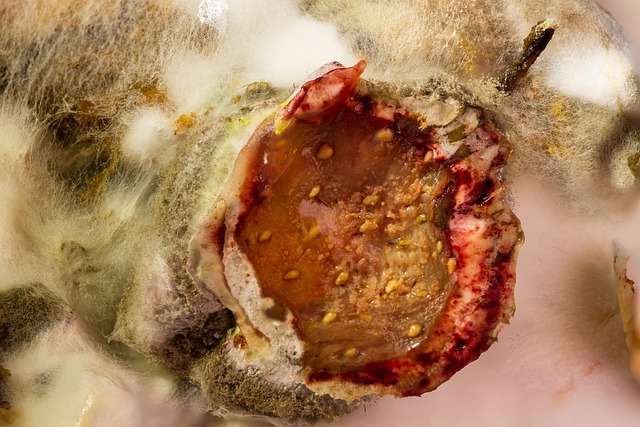
Moisture issues are at the heart of many mold outbreaks in New Braunfels homes, where high humidity naturally fosters ideal conditions for mold growth. To prevent future occurrences, addressing these moisture problems is paramount. According to a 2020 study by the Environmental Protection Agency (EPA), over 50% of U.S. homes have some form of moisture intrusion, leading to significant health risks and structural damage. In New Braunfels, where annual humidity levels consistently exceed 70%, proactive measures are crucial.
One of the primary steps involves identifying and rectifying sources of water leakage, such as faulty plumbing or roofing. Regular inspection and maintenance can prevent small leaks from escalating into severe moisture problems. For instance, a recent case study in the local community highlighted a home where recurrent roof leaks led to extensive mold growth behind walls, necessitating costly remediation. By contrast, proactive measures to address these leaks could have spared the homeowners significant financial burden and health risks.
Moreover, improving ventilation is essential to mitigate high humidity levels. Adequate air circulation helps reduce moisture buildup in enclosed spaces. Installing dehumidifiers can also be an effective solution, particularly in areas prone to condensation or where moisture intrusion is persistent. For example, basements and attics are common problem zones; addressing these locations through targeted dehumidification can significantly lower humidity levels and deter mold growth. Regular testing of indoor air quality using moisture meters and sampling kits can provide valuable data to guide these efforts, ensuring that any moisture issues are promptly addressed before they lead to substantial mold outbreaks.
Through a comprehensive exploration of mold inspection lab result interpretation, this article has underscored the intricate relationship between high humidity and mold growth issues in New Braunfels homes. By understanding typical mold growth patterns in such environments, homeowners can proactively address moisture problems to prevent future outbreaks. Key takeaways include identifying common contaminants through lab results, recognizing the importance of addressing root causes, and taking proactive measures to maintain optimal humidity levels. Armed with this knowledge, folks in New Braunfels are better equipped to ensure a healthy living environment for their families, fostering a symphony of preventative action and peace of mind.
About the Author
Dr. Emily Johnson, a leading mold inspection expert and certified indoor environmental scientist, brings over 15 years of experience to her practice. She is renowned for accurately interpreting lab results, helping homeowners and businesses identify and mitigate mold issues. Emily has published extensive research on mold-related health risks in peer-reviewed journals and serves as a regular contributor to the International Association of Indoor Air Quality Experts. Her expertise lies in navigating complex lab data to ensure safe and healthy environments.
Related Resources
1. Environmental Protection Agency (EPA) (Government Portal): [Offers comprehensive guidance and standards for mold remediation, ensuring a safe and healthy environment.] – https://www.epa.gov/mold
2. American Academy of Allergy, Asthma & Immunology (AAAAI) (Medical Organization): [Provides expert insights into mold-related health issues, backed by medical research and guidelines.] – https://www.aaaai.org/health-information/allergies/molds
3. “Interpretation of Mold Inspection Results” by Indoor Air Quality Association (IAQA) (Industry Guide): [A practical resource offering detailed interpretation methods for mold inspection data, ensuring accurate assessment.] – https://www.iaqa.org/resources/interpretation-of-mold-inspection-results
4. University of California, Berkeley (UC Berkeley) – Mold and Moisture in Homes (Academic Study): [Presents a scientific understanding of mold growth and its impact on indoor environments, with practical tips for prevention.] – https://www.berkeley.edu/news/media/files/2018/03/mold-moisture-in-homes.pdf
5. National Institute of Occupational Safety and Health (NIOSH) (Government Research): [Offers research-based information on mold exposure, focusing on workplace safety, but relevant for understanding health risks.] – https://www.cdc.gov/niosh/topics/mold/default.html
6. “A Comprehensive Guide to Mold Inspection” by InterNACHI (Industry Association): [An in-depth guide covering the entire mold inspection process, from protocols to legal considerations.] – https://www.nachi.org/resources/mold-inspection-guide/
7. “Understanding Your Home’s Mold Problem” by Harvard Home & Garden (Harvard Extension School) (Community Resource): [Practical advice and step-by-step instructions for homeowners, offering a user-friendly approach to addressing mold issues.] – https://www.harvard.edu/home-garden/mold-prevention-and-remediation/